
The Polymer Clay Test To The Latest, Pardo Art Clay,
Fimo Classic, Premo Sculpey And Cernit
Test Two Baking At 140ºC/150ºC For 30 Minutes,
Switching The Oven Temperature Off And Allow
The Test To Stay In The Oven For An Hour
(Aways preheat oven for 15 minutes)
Test Two
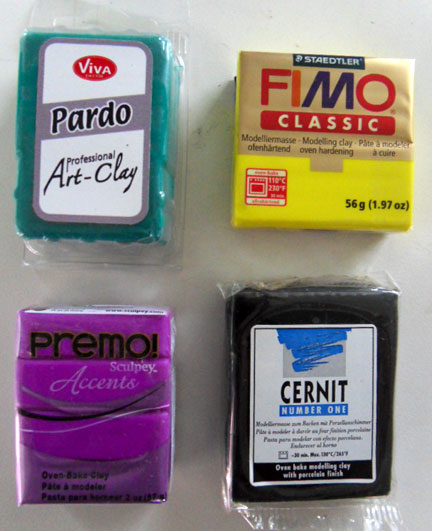 Pardo Art Clay
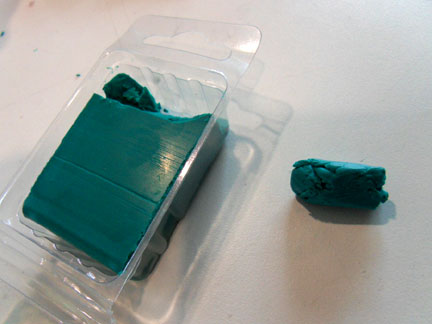 Pardo Art Clay From Fresh Pack
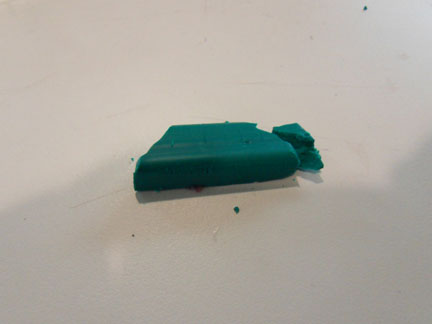 Conditioning starts straight from the clay pack
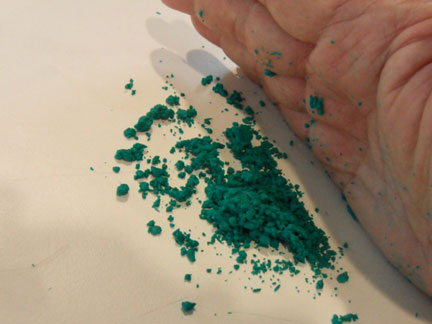 It is messy to condition Pardo Art Clay
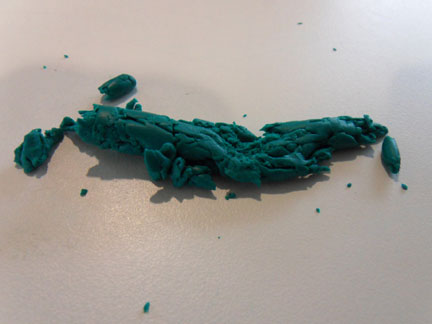 Condition above 5 minutes still have difficulty in blending the clay
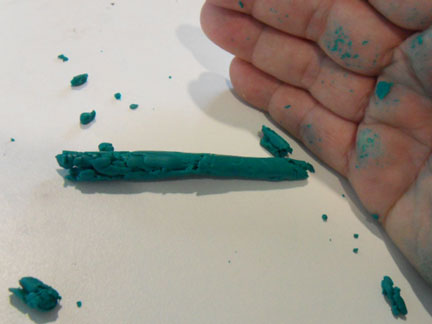 Continuing the process still doesn't blend the clay completely
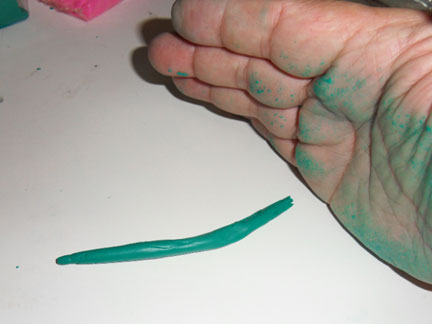 Finger kneading is require to condition Pardo Art Clay,
noticed the clay stains on my palm, both test 1 & 2
shows the same problem.
Fimo Classic
Finger kneading is require to condition Pardo Art Clay,
noticed the clay stains on my palm, both test 1 & 2
shows the same problem.
Fimo Classic
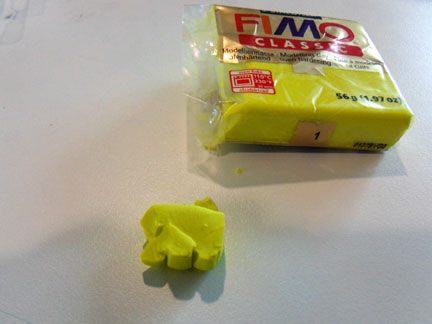 Fimo Classic Clay from a new pack
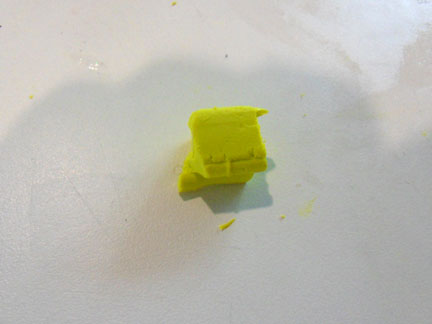 Test starts with conditioning above piece of Fimo Classic
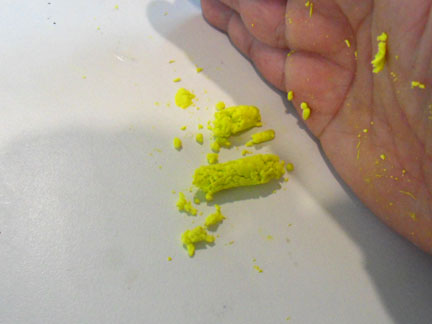 Although the Fimo Classic is also crumpy, it is easier to condition
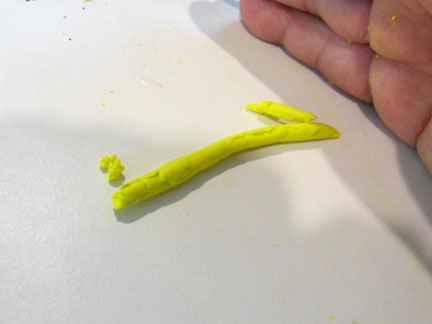 Conditioning Fimo take less than 5 minutes, gives a better blending
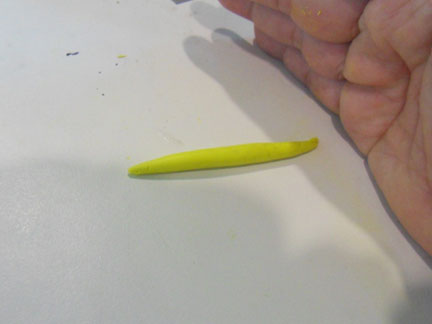 The blended Fimo clay create lesser stains than Pardo Clay
Premo Sculpey
The blended Fimo clay create lesser stains than Pardo Clay
Premo Sculpey
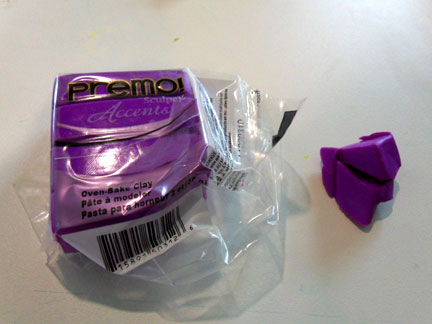 Premo Sculpey from a new pack
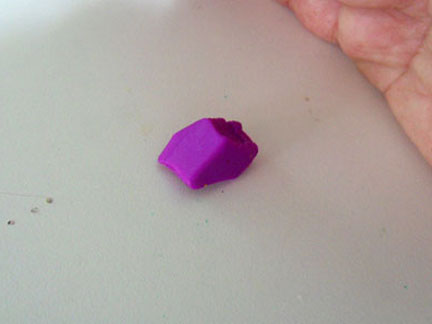 Premo clay piece feels softer from the pack
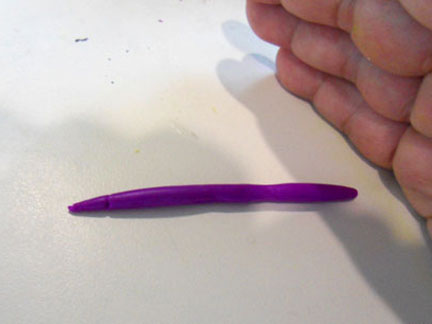 Less than a minute and it blends easily
Cernit
Less than a minute and it blends easily
Cernit
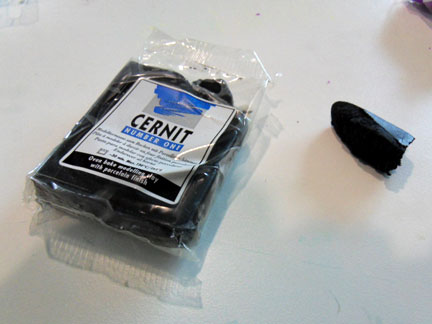 Cernit clay from a new pack
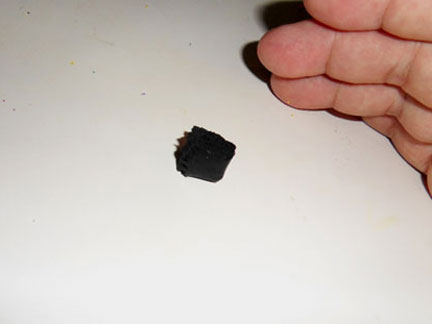 The Cernit piece is also soft to handle
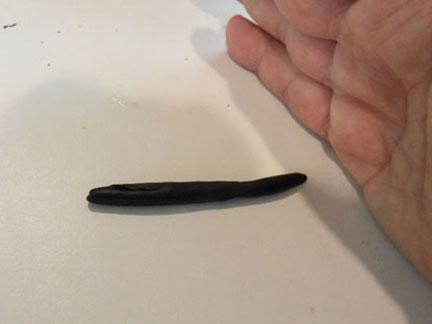 Rolling the clay will soften it quickly, if the hands is too warm,
will make the clay soft and difficult to shape
Rolling the clay will soften it quickly, if the hands is too warm,
will make the clay soft and difficult to shape
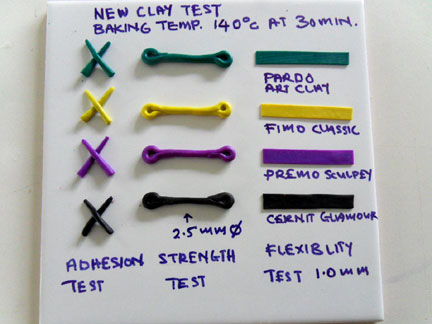 Test tile before baking
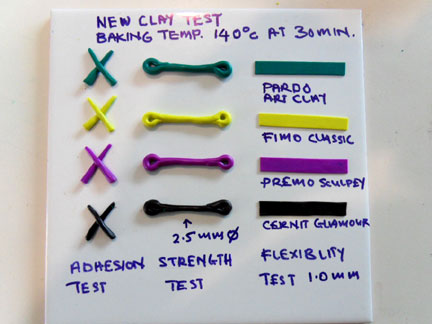 Test tile after baking no color changes
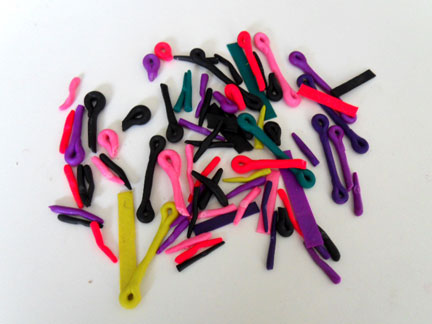 Numerous tests were conduct to obtain the different results
Chart For Temperature Test At 140º C/150ºC For 30 Minutes,
Switching The Oven Temperature Off And Allow
The Test To Stay In The Oven For An Hour
|
POLYMER CLAY TYPES |
FLEXIBLITY |
ADHESION |
STRENGTH |
COLOR |
|
PARDO ART CLAY |
Flexing and bending 200
tmes without breaking |
Scissor action on crossed polymer
clay 56 times above still unable to
seperate
|
12 pounds and still holding |
No Change
In Color |
|
FIMO CLASSIC |
Flexing and bending 129
tmes without breaking |
Scissor action on crossed polymer
clay 56 times above still unable to
seperate
|
12 pounds and still holding |
No Change In Color |
|
PREMO SCULPEY |
Flexing and bending 152
tmes without breaking |
Scissor action on crossed polymer
clay 56 times above still unable to
seperate
|
12 pounds and still holding |
No Change In Color |
|
CERNIT GLAMOUR |
Flexing and bending 140tmes
without breaking |
Scissor action on crossed polymer
clay 56 times above still unable to
seperate
|
10 pounds and still holding |
No Change In Color |
| | | | | |
Conclusion
I have selected the four different brands of clay which were considered to be
better in quality, but both tests yeild different results using different baking method.
Testing all the clays for flexiblity, adhesion and strength, depends on conditioning
and baking the clay at the right temperature.
Test two produced a better results, with the recommended temperature, but you will
have to leave the clay project in the oven to absorb the heat for an hour. I've found
that improper conditioning or kneading the polymer clay create inconsistent results,
such as bad adhesion and strength.
 You can also get better result by baking the clay for  45 minutes instead of 30 minutes.
Even with the recommended baking temperature of the new Fimo clay at 110º C, it
should be bake at the normal temperature of 130ºC or my recommended baking
temperature.
For Pardo clay that is difficult to blend, add some baby oil that will take a shorter
time to condition the polymer clay (test conducted strictly through kneading
without using the baby oil).

Test Date 25 December 2011


 Polymer Clay

Polymer Clay Products And Information

Home
| Email
© 1998,
1999, 2000, 2001, 2002, 2003, 2004, 2005, 2006, 2007, 2008, 2009,
2010, 2011, Garie Sim All rights reserved.